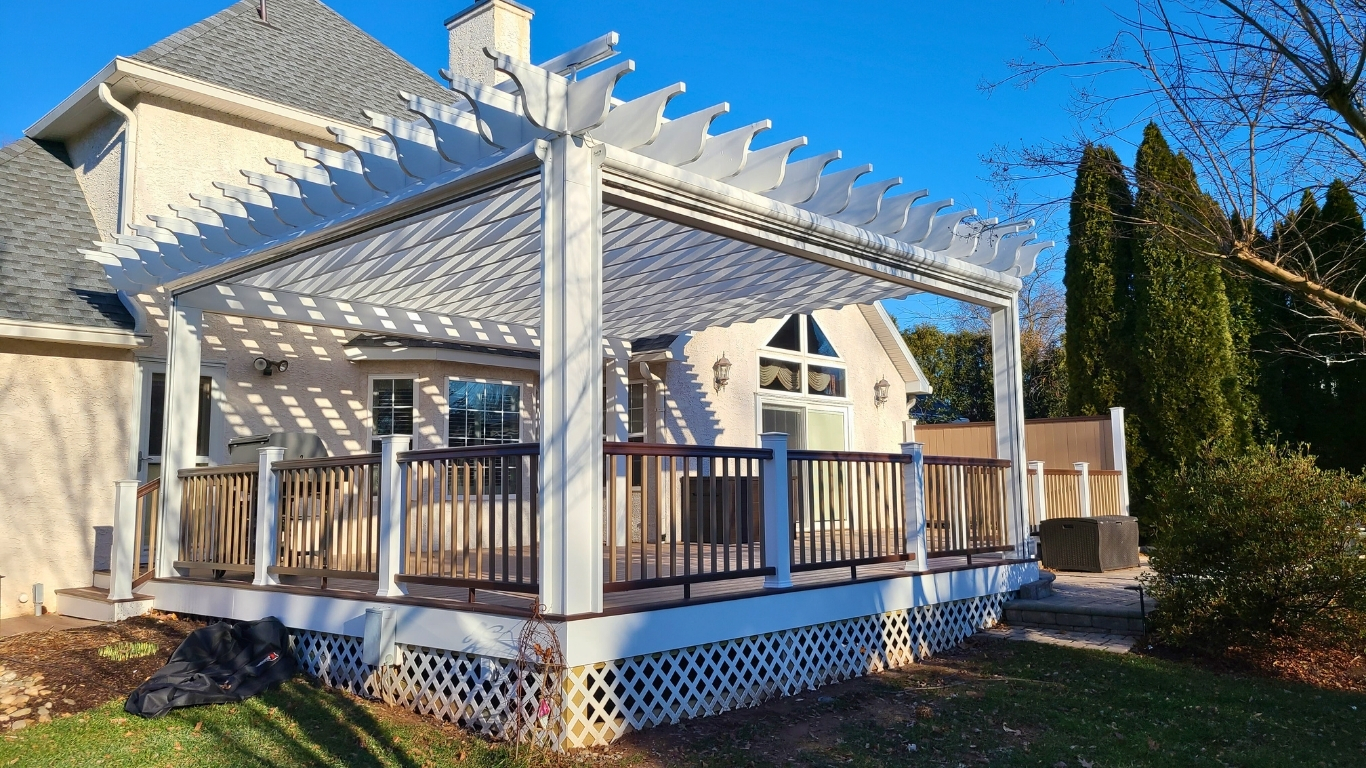

Adding a covered deck or patio roof is one of the most transformative upgrades you can make to your home’s exterior. It extends usable space, provides reliable protection from the elements, and increases your home’s curb appeal and resale value. But before you start building, it’s important to understand your design options, structural needs, and what questions to ask your contractor.
Here’s a guide to help you make informed choices and plan a structure that complements your home and lifestyle.
1) Decide How You’ll Use the Space
Before choosing a design, think about how you’ll actually use your covered deck. Will it serve as an outdoor dining area, a lounge for quiet evenings, or a place to entertain year-round?
Your intended use will shape the type of roof structure that fits best. A simple open gable might provide sun and rain cover, while a fully enclosed roof with screens offers more protection and privacy.
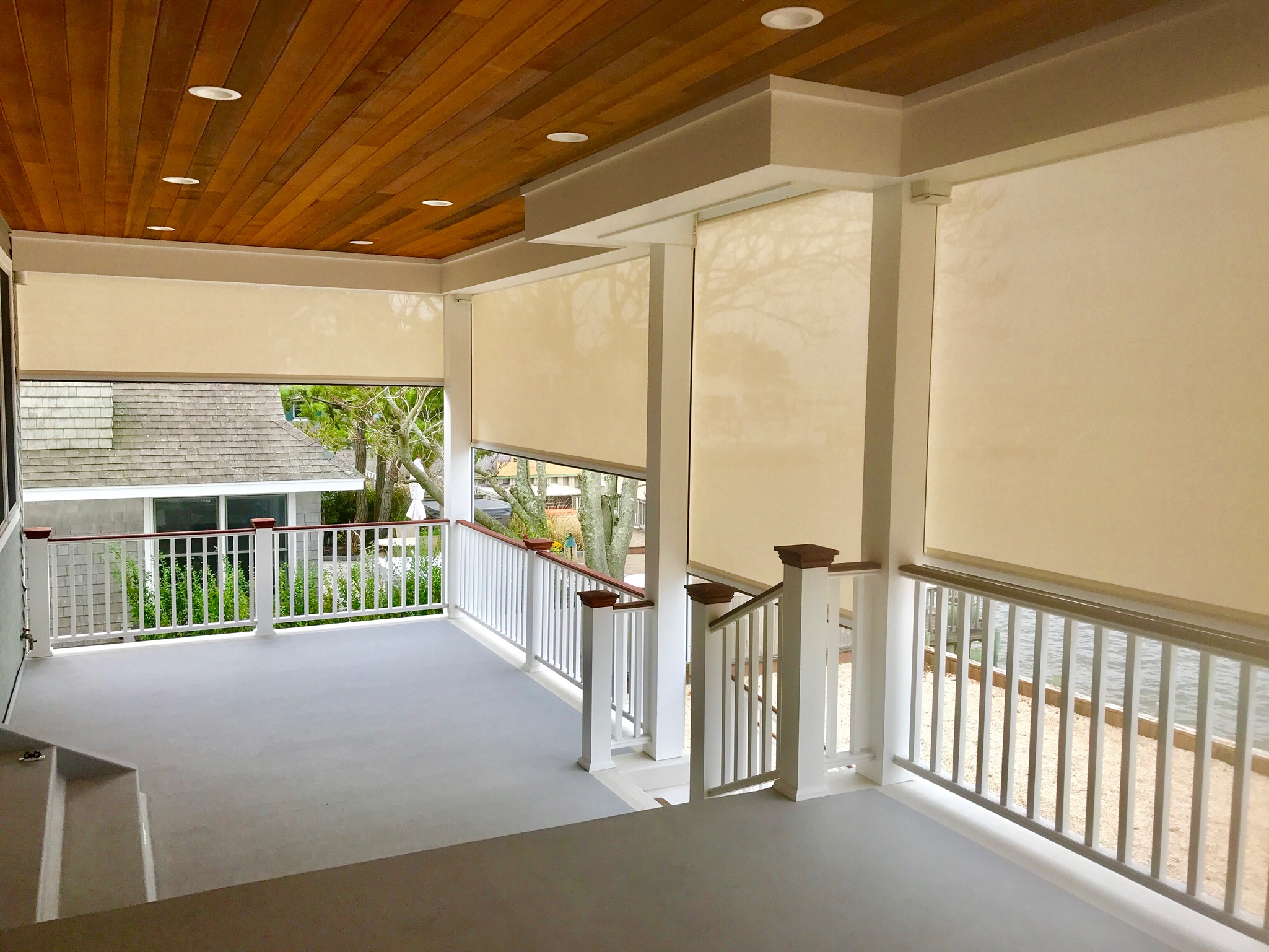
If you’re envisioning a flexible space, consider pairing a solid roof with retractable screens to create a three-season enclosure that opens up when the weather’s nice.
2) Understand Roof Structure Styles
Not all roof structures are created equal. The most common styles include:
- Gable roofs: Triangular peaks that match your home’s architecture and allow natural ventilation.
- Shed roofs: A single, sloped plane ideal for smaller patios or contemporary homes.
- Hip roofs: Sloped on all sides for a cohesive, finished look.
- Flat or insulated panel roofs: Clean-lined and modern, often used with lighting or ceiling fans.
A professional builder will help you match the style to your home’s proportions and roofline while ensuring it integrates visually with your siding, trim, and windows.
3) Plan for Structural Support and Drainage
Your roof’s strength depends on proper load calculations, framing, and anchoring. Snow, rain, and wind are key factors in Pennsylvania’s climate, so ensure your design meets local codes and can handle seasonal stress.
Ask your contractor how the structure will tie into your existing house wall or deck framing. If you’re adding new footings, verify that they’re properly sized and placed to support the weight of both the roof and the deck.
Don’t overlook drainage. Discuss where water runoff will go and whether gutters or downspouts will be installed to protect the area below.
4) Integrate Lighting, Fans, and Electrical Early
Adding wiring after construction can be tricky and expensive. During design, plan for outlets, lighting, and fans so that conduit and junction boxes can be integrated neatly.
Under-roof lighting improves usability and safety, while ceiling fans keep air moving during the summer. Many homeowners also add heaters or pendant fixtures to enjoy the space in cooler months.
If you plan to install a retractable awning nearby, ask about running electrical connections during the same project to simplify installation later.
5) Choose Materials That Match Your Home
A great roof structure looks like it’s always been part of your home, not an afterthought. Match your existing roof pitch, shingle color, and trim profiles for a seamless appearance.
For columns and framing, low-maintenance materials such as composite posts and aluminum supports hold up beautifully in Pennsylvania weather. These materials resist warping, insects, and rot while providing a clean finish that lasts.
6) Ask About Permits and HOA Approvals
Many municipalities and homeowners’ associations require permits for roofed structures. Your builder should be familiar with local requirements, but it’s still worth confirming:
- Who will handle the permitting process?
- What drawings or engineering specs are needed?
- How long does approval typically take?
Getting started in winter or early spring allows enough time for approvals before peak construction season begins.
7) Consider Shade, Privacy, and Expansion Options
A roof structure can serve as the anchor point for future upgrades, so think ahead. You might eventually add retractable screens for privacy, a fire feature, or an adjoining deck expansion.
Building with flexibility in mind ensures your structure remains adaptable to your family’s needs for years to come.
8) Work with a Trusted, Experienced Builder
A roofed deck or patio cover is a long-term investment. Partnering with a reputable local contractor ensures your structure is designed, engineered, and built to last. Look for experience, transparent communication, and a portfolio that shows attention to detail and craftsmanship.
Paul Construction & Awning has over 30 years of experience designing and building custom roof structures, decks, and outdoor living spaces across Pennsylvania. Our team handles everything—from design and permits to construction and finishing—so your project is seamless from start to finish.
👉 Schedule your consultation today
Final Thoughts
A covered deck or roof structure is more than a functional upgrade—it’s a year-round extension of your home. By asking the right questions, planning for structural integrity, and choosing durable materials, you’ll enjoy a beautiful, lasting space that adds comfort and value for decades to come.